
Television has changed a lot over the last few years. In the past, most people watched TV through a cable connection. They had fixed channels, fixed timings, and limited control over what they could watch.
Today, people want more freedom. They want to watch live TV, movies, sports, and shows on smart TVs, phones, tablets, laptops, and streaming devices. This is where IPTV has become popular.
IPTV, also called Internet Protocol Television, uses the internet to deliver TV content. Traditional cable TV uses physical cable networks to send channels to your home. Both systems provide entertainment, but they work in very different ways.
For many modern users, IPTV is becoming a better choice because it offers flexibility, more content options, multi-device support, and a better viewing experience. In this article, we will explain IPTV vs traditional cable TV in simple words, compare both technologies, and help you understand which one is better for today’s digital lifestyle.
What Is IPTV?
IPTV stands for Internet Protocol Television. It is a system that delivers TV channels, movies, series, and video content through an internet connection instead of a traditional cable line.
With IPTV, users can watch live TV, video on demand, sports channels, international content, and premium entertainment on different devices. These devices may include:
- Smart TVs
- Android boxes
- Firestick
- Mobile phones
- Tablets
- Laptops
- MAG boxes
- IPTV apps
The main idea behind IPTV is simple. Instead of waiting for a cable provider to send channels through a fixed cable network, IPTV sends content through internet data. This gives users more control over what they watch and how they watch it.
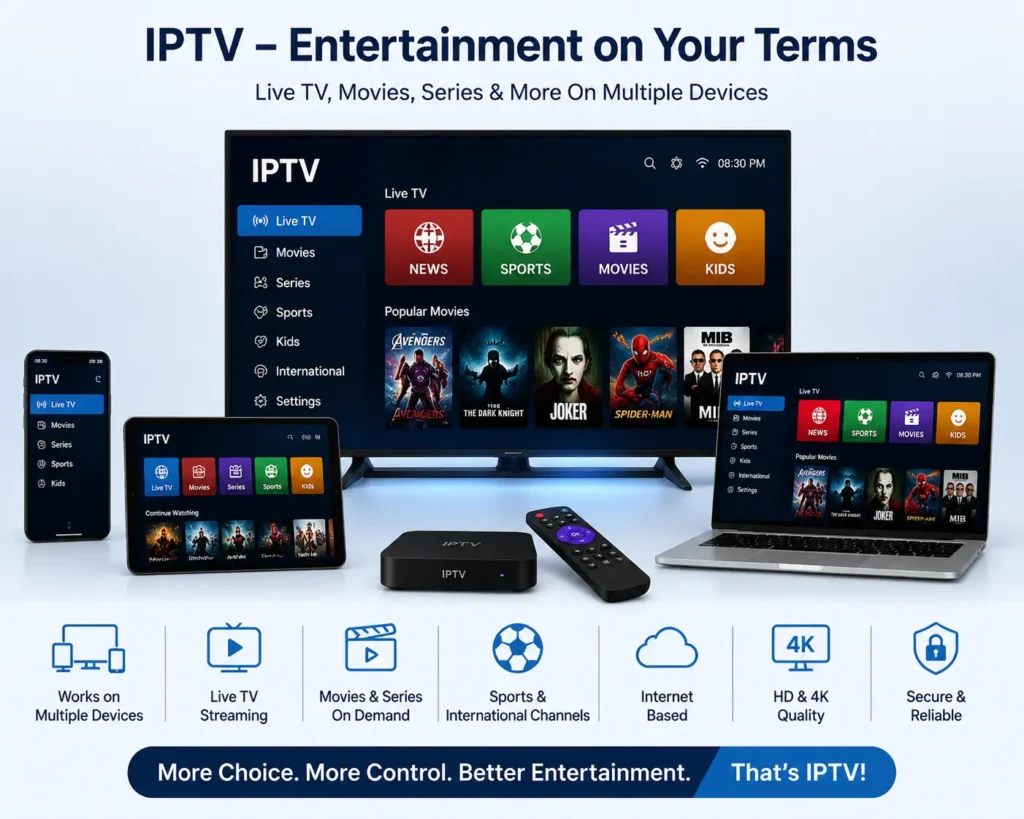
A good IPTV service can offer HD and 4K streaming, fast channel loading, stable servers, and access from multiple locations. This is why platforms like Ultimate IPTV Panel are becoming useful for users and resellers who want a modern way to manage IPTV subscriptions.
What Is Traditional Cable TV?
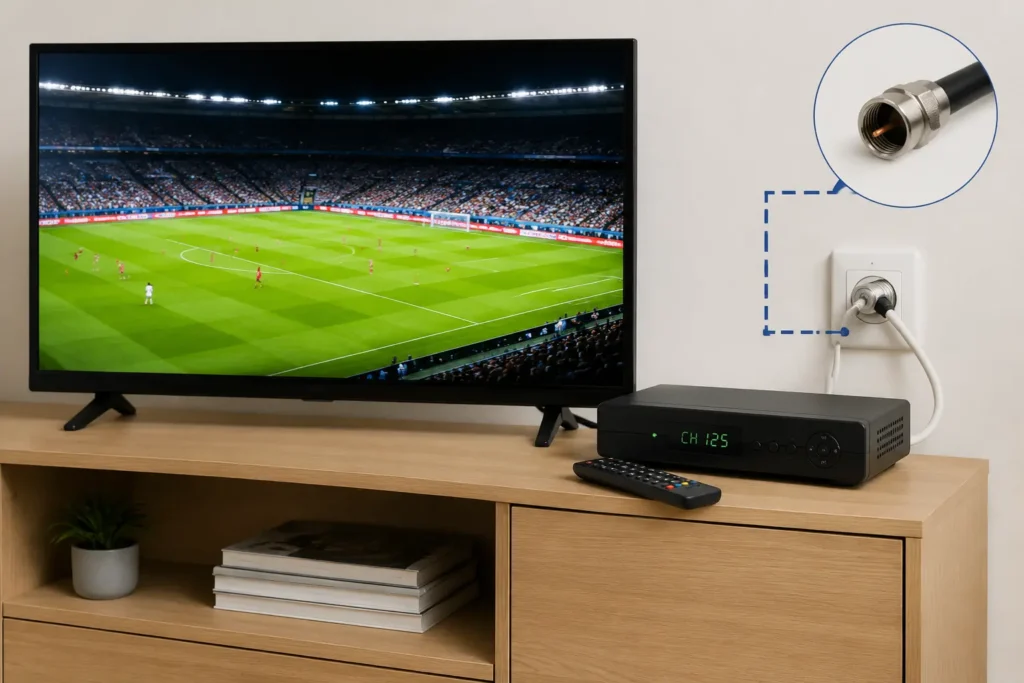
Traditional cable TV is the old and common way of watching television. It works through physical cables installed by a cable company. These cables send TV signals directly to your home.
Usually, cable TV comes with a set-top box and a fixed channel package. The cable company decides which channels are included in each package. Users can watch live channels, but they do not always get full control over content, timing, or device access.
Cable TV has been trusted for many years because it does not always depend on the internet. Many people still use it because it is familiar and simple. However, it also has limitations. It may not offer the same flexibility, variety, or modern features that IPTV can provide.
How Does IPTV Work?
IPTV works by sending television content through Internet Protocol. When a user selects a channel or video, the IPTV system delivers that content through internet servers.
Here is a simple way to understand it:
- The IPTV provider stores or receives TV content from different sources.
- The content is processed and managed through servers.
- The user opens an IPTV app or device.
- The selected channel or video is sent through the internet.
- The user watches the content instantly on their device.
IPTV can provide different types of content, such as live TV, video on demand, catch-up TV, movies, series, and sports events. This makes it more flexible than traditional TV.
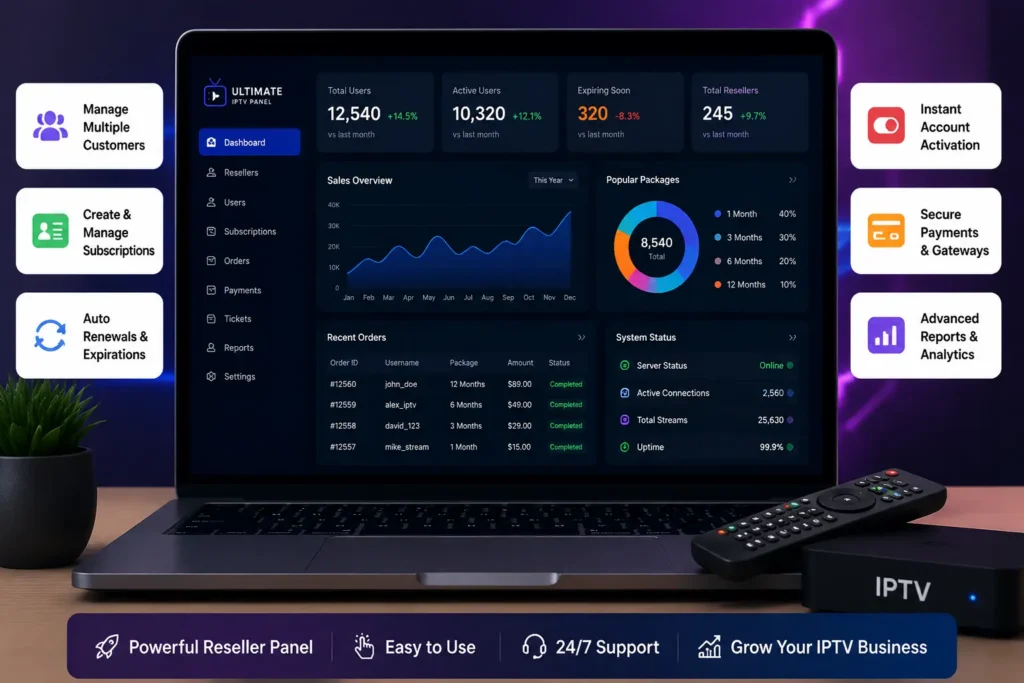
For resellers, an IPTV panel makes the process easier. With an IPTV panel, resellers can create accounts, manage subscriptions, control users, renew plans, and organize clients from one dashboard. This is one reason many businesses prefer solutions.
How Does Cable TV Work?
Cable TV works through a physical cable network. The cable provider sends TV signals through underground or overhead cables. These signals reach the customer’s home and connect to a set-top box or television.
The process is usually fixed:
- The cable company creates channel packages.
- TV signals are sent through cable lines.
- The user receives channels through a cable box.
- The user watches the channels included in the package.
Cable TV is mostly designed for live television. It is not as flexible as IPTV because users usually cannot choose content in the same way. They may need to wait for a program to air or pay extra for premium channels.
Cable TV also depends on the service area. If the cable company does not cover a location, the user cannot access that service easily.
IPTV vs Traditional Cable TV: Main Differences
The biggest difference between IPTV and cable TV is the delivery method. IPTV uses the internet, while cable TV uses physical cables.
IPTV gives users more freedom. They can watch content on multiple devices and often choose from live TV, movies, series, and on-demand content. Cable TV is more limited because it mostly depends on fixed channel packages and scheduled programming.
Another major difference is device support. Cable TV usually works best on a television with a cable box. IPTV can work on many devices, including smart TVs, Android devices, Fire TV Stick, mobile phones, and laptops.
IPTV is also easier to scale for businesses. Resellers can use an IPTV panel to manage customers, subscriptions, and renewals. Traditional cable TV requires more physical setup and local infrastructure.
In simple words, cable TV is a traditional system, while IPTV is a modern streaming technology designed for today’s internet users.
Advantages of IPTV
IPTV offers many benefits for users who want a flexible entertainment experience.
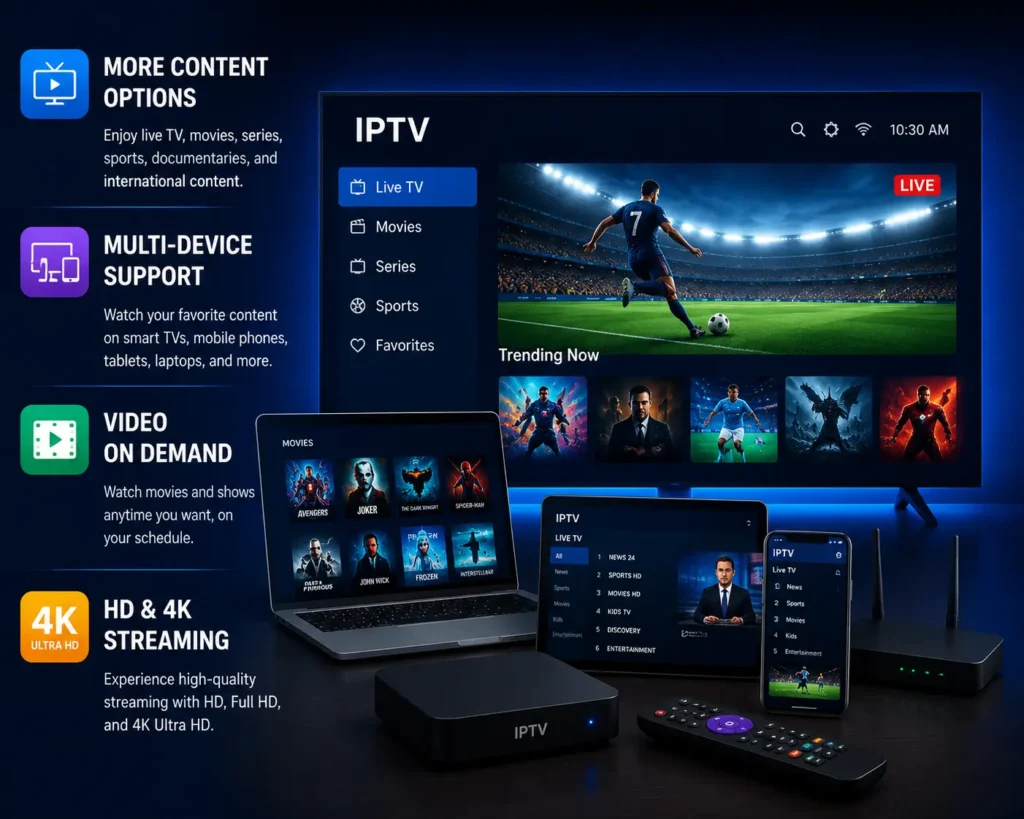
1. More Content Options
IPTV can provide live channels, movies, series, sports, documentaries, and international content. Users are not limited to only a few local channels.
2. Multi-Device Support
One of the biggest benefits of IPTV is that it works on different devices. Users can watch content on smart TVs, mobile phones, tablets, laptops, and streaming boxes.
3. Video on Demand
Many IPTV services include video on demand. This means users can watch movies and shows whenever they want, instead of waiting for a fixed broadcast time.
4. HD and 4K Streaming
A reliable IPTV service can offer high-quality streaming, including HD and 4K content, depending on internet speed and server quality.
5. Better Control for Resellers
For IPTV businesses, an IPTV panel gives better control. Resellers can manage users, activate subscriptions, renew accounts, and track customer access from one place.
6. Easy Access Anywhere
IPTV is not limited like local cable TV. With the right service and device, users can enjoy content from different places using an internet connection.
Advantages of Traditional Cable TV
Cable TV still has some benefits, especially for users who prefer a basic and familiar setup.
1. Simple to Use
Cable TV is easy for many users because they already understand how it works. Turn on the TV, use the remote, and select a channel.
2. Stable Without Internet
Cable TV does not depend on home internet in the same way IPTV does. If the cable network is stable, users can watch TV even when their internet is slow.
3. Local Channel Access
Cable TV often includes local channels, regional news, and community programming. This can be useful for people who mainly watch local content.
4. Familiar Billing System
Many households are used to monthly cable bills and fixed packages. For some users, this feels simple and predictable.
Challenges of IPTV
IPTV is powerful, but it also has some challenges.
1. Requires Good Internet
IPTV depends on internet speed and stability. If the internet connection is weak, users may face buffering or low-quality streaming.
2. Server Quality Matters
Not all IPTV services are the same. A poor-quality provider may have downtime, broken channels, or slow loading. This is why choosing a stable IPTV provider or panel is important.
3. Device Setup Can Be Confusing
Some users may need help installing IPTV apps or setting up their devices. However, once the setup is complete, IPTV is usually easy to use.
4. Legal and Licensed Content Concerns
Users should always choose IPTV services that follow proper content rules and provide legal access where required. A trustworthy IPTV business should focus on reliability, transparency, and responsible service.
Challenges of Traditional Cable TV
Traditional cable TV also has several limitations.
1. Limited Flexibility
Cable TV usually follows fixed schedules. If a user misses a show, they may not be able to watch it later unless the provider offers recording or catch-up features.
2. Fewer Device Options
Cable TV is mostly connected to one television. Watching on mobile, laptop, or tablet is not always easy.
3. Expensive Packages
Many cable TV packages include channels that users do not watch. Customers may pay more for bundles they do not fully use.
4. Location-Based Service
Cable TV depends on local cable infrastructure. If the provider does not serve a certain area, users cannot easily get access.
5. Less Modern Experience
Compared to IPTV, cable TV often feels less advanced. It may not offer the same level of personalization, on-demand content, or multi-device access.
The Rise of IPTV Services
IPTV has grown because people’s viewing habits have changed. Viewers no longer want to sit in front of one TV at a fixed time. They want content that fits their lifestyle.
People now watch sports on mobile, movies on smart TVs, and live channels on streaming devices. Families also want more variety, including local and international entertainment.
This shift has created strong demand for IPTV services and IPTV reseller panels. Businesses can now offer IPTV subscriptions to customers without building a full cable network; resellers can manage clients, activate accounts, and grow their IPTV business more efficiently.
The rise of IPTV is not only about entertainment. It is also about convenience, control, and better access.
Which Technology Is Better: IPTV or Cable TV?
For most modern users, IPTV is the better technology because it offers more flexibility, more content choices, and better device support.
Cable TV is still useful for people who want a simple local TV connection and do not care much about on-demand content or mobile access. But for users who want live TV, movies, sports, international channels, and multi-device streaming, IPTV is usually the smarter option.
Here is the simple answer:
IPTV is better for users who want modern streaming, flexible access, and more control. Cable TV is better for users who prefer a basic, traditional TV setup.
If you have a stable internet connection, IPTV can give you a much better entertainment experience than traditional cable TV.
Why Ultimate IPTV Panel Is a Smart Choice
Ultimate IPTV Panel is designed for users and resellers who want a reliable way to manage IPTV services. It helps make IPTV business management easier, faster, and more organized.
With an IPTV panel, resellers can manage multiple customers, create subscriptions, renew plans, and control access from one dashboard. This is much easier than handling everything manually.
Ultimate IPTV Panel is useful for people who want:
- A modern IPTV reseller solution
- Easy subscription management
- Fast account activation
- Multi-device IPTV support
- Better control over users and plans
- A simple way to grow an IPTV business
As IPTV continues to grow, having the right panel can make a big difference. A strong panel helps resellers provide a better customer experience and manage their business professionally.
IPTV vs Cable TV: Quick Comparison
| Feature | IPTV | Traditional Cable TV |
| Delivery Method | Internet connection | Physical cable network |
| Device Support | Smart TV, phone, tablet, laptop, Fire TV Stick, Android box | Mostly TV with cable box |
| Content Type | Live TV, VOD, movies, series, sports | Mostly live TV channels |
| Flexibility | High | Limited |
| Setup | App or IPTV device | Cable line and set-top box |
| On-Demand Content | Commonly available | Limited or paid extra |
| Reseller Options | Easy with IPTV panel | Difficult and infrastructure-based |
| Best For | Modern streaming users and IPTV businesses | Traditional TV viewers |
Final Verdict
IPTV and traditional cable TV both provide television content, but IPTV is more suitable for today’s digital world. It gives users more freedom, more content choices, better device support, and a more flexible viewing experience.
Traditional cable TV is simple and familiar, but it cannot match the modern features of IPTV. As more people move toward internet-based entertainment, IPTV is becoming the better choice for homes, businesses, and resellers.
For anyone planning to start or grow an IPTV business, Ultimate IPTV Panel offers a smart way to manage customers, subscriptions, and IPTV services from one place.
In the end, the better technology depends on the user’s needs. But if you want flexibility, modern streaming, and better control, IPTV is the clear winner.